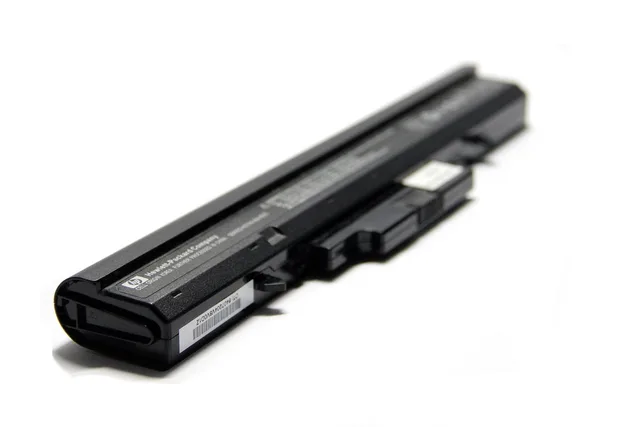
Maintenance
Part of 7 honest notes on consumer technology terms
The technology product label checklist owners actually finish
Technology product label checklist covering model identity, power, connectivity, certification scope, energy use, service terms, data limits, support, and warranty.
What to take away
- Match every label to the exact model or service plan.
- A logo has a defined scope; it does not certify every product quality.
- Compare recurring cost, required equipment, service limits, and support alongside hardware specs.
- Scan a QR code only after checking the domain it opens.
- Save the label, terms, receipt, and warranty that applied at purchase.
Use this technology product label checklist on product packaging, an online listing, a device label, or a service disclosure. Skip sections that do not apply, but do not turn a missing answer into a favorable one. What the terms printed on those labels mean is set out in consumer technology terms.
Identity
- Full manufacturer name
- Exact model and configuration
- Region, carrier, or hardware revision
- Seller and conditionnew, refurbished, used, or open box
- Serial number location for later records
- Package contents
Electrical and physical fit
- Input voltage and frequency suit the intended location
- Adapter output and connector match the device
- Dimensions include stands, feet, plugs, and required clearance
- Weight includes the parts that will be carried or mounted
- Mounting pattern and load limits match the support
- Temperature, ventilation, and moisture restrictions fit the space
Connectivity
- Port count and version are stated for the exact model
- Cable data, video, and power functions are explicit
- Wireless family, bands, security, and region are listed
- Required hub, account, app, or subscription is disclosed
- Compatibility is confirmed at both ends
Certification and regulatory marks
For each mark, identify the program owner and the certified scope. A safety mark does not certify privacy. An interoperability mark does not state the warranty. A recycling symbol does not mean the item belongs in a household bin. Separating included from supported, and certified from compatible, is the work in how to read a technology specification sheet.
- Safety markUL, ETL (Intertek), or CSA, covering electrical safety of the listed model
- Radio and interference markthe FCC mark or an FCC ID under FCC Part 15, or CE or UKCA for the EU and UK
- Interoperability marksWi-Fi CERTIFIED from the Wi-Fi Alliance, the Bluetooth word mark and logo from the Bluetooth SIG, USB-IF certification, HDMI, and DisplayPort
- Substance and disposal marksRoHS and REACH in the EU, the WEEE crossed-out bin, and a California Proposition 65 warning
- Energy marksthe FTC EnergyGuide label, the EU energy label, or the ENERGY STAR logo
Verify each one in the owner's own record: the FCC ID database for an FCC ID, UL Product iQ for a UL listing, the EPA ENERGY STAR product list for an ENERGY STAR model, and the EU NANDO register for the notified body behind a CE mark, alongside the manufacturer's EU declaration of conformity for the standards the product was tested to.
The rules behind those marks are named as well: FCC Part 15 for radio and interference in the US, the EU's RoHS and WEEE directives and REACH regulation for substances and disposal, California's Proposition 65 for warnings, the FTC's Energy Labeling Rule for the yellow EnergyGuide label, and the Magnuson-Moss Warranty Act for written warranties on consumer products.
The ENERGY STAR program's current program explanation describes a voluntary government labeling program in which qualifying products can display the logo and says labeled products are independently certified to energy-efficiency requirements. That is an energy claim within the program, not a general product endorsement.
Service and subscription labels
- Base recurring price
- Introductory price and end date
- Mandatory fees and equipment charges
- Download and upload performance measures
- Latency or delay where relevant
- Data allowance and overage terms
- Contract, cancellation, and return terms
- Privacy and network-management links
- Support contact and complaint path
For broadband internet access service in the US, the FCC requires a broadband consumer label carrying these fields, from monthly price and introductory rates to download and upload speeds, latency, data allowance, and fees. The rule covers broadband internet access service, not phone service, so a voice plan still depends on the carrier's own disclosure.
Security and software support
- Supported operating-system or firmware version
- Security-update period or end date
- Automatic-update behavior
- Vulnerability-reporting contact
- Reset and data-deletion process
- Account and multifactor requirements
- Offline or local operation if service ends
A phrase such as "updates included" is incomplete without a duration, scope, delivery method, and end-of-support policy.
Warranty and remedy
- Coverage length and start date
- Covered parts, labor, battery, and accessories
- Exclusions
- Repair, replacement, or refund remedy
- Shipping and diagnostic charges
- Geographic limits
- Transfer rules for used products
- Required proof of purchase
Keep a dated copy. A warranty is different from a paid service contract, store return policy, insurance plan, and statutory consumer right.
Environmental and end-of-life information
- Replaceable battery or service route
- Collection or take-back instructions
- Packaging disposal guidance
- Energy-use method and assumptions
- Repair documentation and parts availability
Treat broad terms such as green, eco, or sustainable as prompts to find a defined measure. Ask which life-cycle stage, test method, boundary, and comparison support the claim. The same demand applies to an accessibility statement, as the accessible technology checklist sets out.
Check the date of every label guide
Labels can change with new rules. An FCC 2026 broadband-label fact sheet describes proposed changes to simplify how some label information is presented while retaining consumer transparency goals. Read the current label and rule that apply when shopping rather than relying on a screenshot from an older article.
Save the purchase record
Store the model, serial number, seller page, specification sheet, labels, receipt, warranty, return policy, promised accessories, support period, and delivery condition. Photograph the package before discarding it when the label contains unique identifiers or claims. Those recorded support dates are what let a household stage its updates, as a staged home technology update shows.
Common questions
Does a certification logo cover the whole product?
Only within that program's stated scope and model. Check the certifier's record when the claim matters.
Is a QR code itself proof of certification?
No. Check the destination domain, exact model, program owner, and record status.
Does an energy label predict my bill exactly?
No. Estimates use stated assumptions; local rates and use change the result.
Should I register a product warranty?
Read the terms and applicable law. Keep the receipt and warranty whether or not registration is requested.