Palentu: A Simple Dish That Brings Comfort, Culture, and Creativity Together
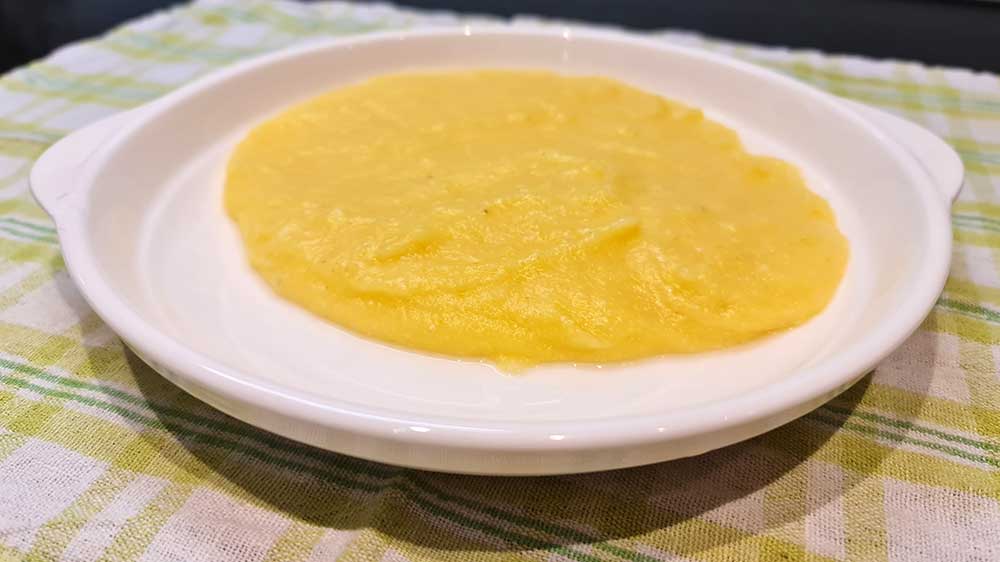
Palentu is a humble yet satisfying dish made primarily from cornmeal. We cook it by slowly combining cornmeal with water, milk, or broth until it thickens into a soft, creamy texture. It can be enjoyed warm as a comforting meal or cooled and sliced for a firmer, more versatile option. What makes palentu special is not just its simplicity, but how easily it adapts to different tastes, traditions, and lifestyles.
Introduction: Why Palentu Still Matters Today
In a world full of fast food and complex recipes, we often forget the beauty of simple meals. Palentu reminds us that food doesn’t have to be complicated to be delicious or meaningful. It’s affordable, easy to make, and incredibly versatile. Whether we’re looking for a quick breakfast, a hearty side dish, or a creative base for toppings, palentu fits perfectly.
This dish has been part of many cultures in different forms, and even today, it continues to evolve in modern kitchens. When we make palentu, we’re not just cooking—we’re connecting with tradition, creativity, and comfort.
The Origins and Cultural Roots of Palentu
Palentu may sound unique, but its concept exists in many cultures around the world. From European countryside kitchens to African and American traditions, cornmeal-based dishes have always been a staple.
Historically, corn was one of the most accessible grains, especially in regions where wheat was less common. People needed something filling, affordable, and easy to cook—and palentu-style dishes answered that need perfectly.
Over time, each culture added its own twist. Some made it thicker, others creamier. Some added cheese, spices, or vegetables. Despite these differences, the core idea stayed the same: transforming simple cornmeal into something nourishing and satisfying.
What Makes Palentu Unique?
At first glance, palentu might seem like just another porridge or grain dish, but it has a few qualities that make it stand out:
1. Simplicity
We only need a few basic ingredients:
- Cornmeal
- Liquid (water, milk, or broth)
- Salt
That’s it. From these basics, we can create endless variations.
2. Versatility
Palentu can be:
- Soft and creamy like porridge
- Firm and sliceable when cooled
- Sweet or savory depending on ingredients
3. Comfort Factor
There’s something deeply comforting about a warm bowl of palentu. It’s soft, filling, and easy to digest, making it perfect for any time of the day.
How We Make Palentu (Step-by-Step)
Making palentu is simple, but getting the perfect texture requires a bit of attention.
Basic Recipe
Ingredients:
- 1 cup cornmeal
- 3–4 cups liquid (water, milk, or broth)
- A pinch of salt
Instructions:
- Bring the liquid to a gentle boil.
- Slowly add cornmeal while stirring continuously.
- Reduce heat and keep stirring to avoid lumps.
- Cook for 15–25 minutes until thick and smooth.
- Serve warm or let it cool to firm up.
The key is patience. Stirring constantly helps achieve that creamy texture we all love.
Different Ways We Can Enjoy Palentu
1. Creamy Breakfast Style
We can make palentu sweet by using milk instead of water and adding:
- Sugar or honey
- Fruits like bananas or berries
- Nuts or seeds
It becomes a wholesome and energizing breakfast.
2. Savory Comfort Meal
For a savory version, we can cook it with broth and add:
- Butter or cheese
- Herbs and spices
- Vegetables or meat
This turns palentu into a rich and satisfying main dish.
3. Grilled or Fried Slices
Once cooled, palentu becomes firm. We can:
- Cut it into slices
- Grill or fry until crispy
This creates a completely different texture—crispy outside, soft inside.
4. As a Side Dish
Palentu works beautifully as a side with:
- Stews
- Sauces
- Roasted vegetables
It absorbs flavors easily, making every bite delicious.
Nutritional Value of Palentu
One of the best things about palentu is that it’s not just tasty—it’s also nutritious.
Key Benefits:
- Rich in carbohydrates: Provides energy
- Gluten-free: Suitable for people with gluten sensitivity
- Low in fat: Naturally light unless we add rich toppings
- Easy to digest: Gentle on the stomach
We can also boost its nutrition by adding:
- Milk for calcium
- Vegetables for fiber
- Protein sources like beans or meat
Why Palentu Is Perfect for Modern Lifestyles
Today, we’re always looking for food that is:
- Quick to prepare
- Budget-friendly
- Healthy and flexible
Palentu checks all these boxes.
Budget-Friendly
Cornmeal is inexpensive and widely available, making palentu an affordable option for families.
Time-Saving
It doesn’t require complicated steps or expensive tools. We can prepare it in under 30 minutes.
Customizable
Whether we’re vegetarian, vegan, or meat lovers, palentu adapts easily to our preferences.
Tips to Make the Perfect Palentu
Even though it’s simple, a few tips can take our palentu to the next level:
1. Stir Constantly
This prevents lumps and ensures a smooth texture.
2. Control the Heat
Cook on low to medium heat to avoid burning.
3. Adjust the Thickness
- Add more liquid for a creamy texture
- Use less liquid for a firmer result
4. Season Well
Don’t forget salt—it enhances the flavor even in sweet versions.
5. Experiment Freely
Palentu is like a blank canvas. We can try new ingredients and flavors without fear.
Creative Twists on Traditional Palentu
If we want to get creative, here are some ideas:
Cheesy Palentu
Add shredded cheese while it’s hot for a rich, creamy dish.
Spicy Palentu
Mix in chili flakes, garlic, or spices for a bold flavor.
Herbal Palentu
Add fresh herbs like parsley or basil for freshness.
Dessert Palentu
Top with caramel, chocolate, or fruits for a sweet treat.
Palentu Around the World: Similar Dishes
While palentu has its own identity, it shares similarities with other dishes:
- Polenta in Italy
- Grits in the southern United States
- Ugali in East Africa
- Corn porridge in many cultures
This shows how a simple idea—cooking cornmeal—has connected people globally for generations.
Common Mistakes to Avoid
Even simple recipes can go wrong. Here’s what we should watch out for:
Adding Cornmeal Too Fast
This causes lumps. Always add slowly while stirring.
Not Stirring Enough
Palentu can stick or burn if left unattended.
Using Too Much Heat
High heat can ruin the texture and flavor.
Skipping Seasoning
Even basic dishes need proper seasoning to shine.
Why We Keep Coming Back to Palentu
At the end of the day, palentu is more than just food. It’s about:
- Comfort on a cold day
- A quick meal when we’re busy
- A creative dish when we feel inspired
It fits into every moment of our lives.
Final Thoughts
Palentu proves that simple food can be powerful. With just cornmeal and liquid, we create something that is warm, filling, and endlessly adaptable. It doesn’t require fancy ingredients or expert skills—just a bit of care and creativity.
When we cook palentu, we’re not just making a dish. We’re embracing tradition, saving time, and enjoying something that truly feels like home.
So next time we’re wondering what to cook, we can turn to palentu—a simple, timeless meal that never disappoints.
Keep checking in for the newest stories and news Tech Marsh!